How Time Zone Variations Influence Global Sports Wagering Activity Patterns Across Different Regions
Theo Simmons · Nov 19, 2026
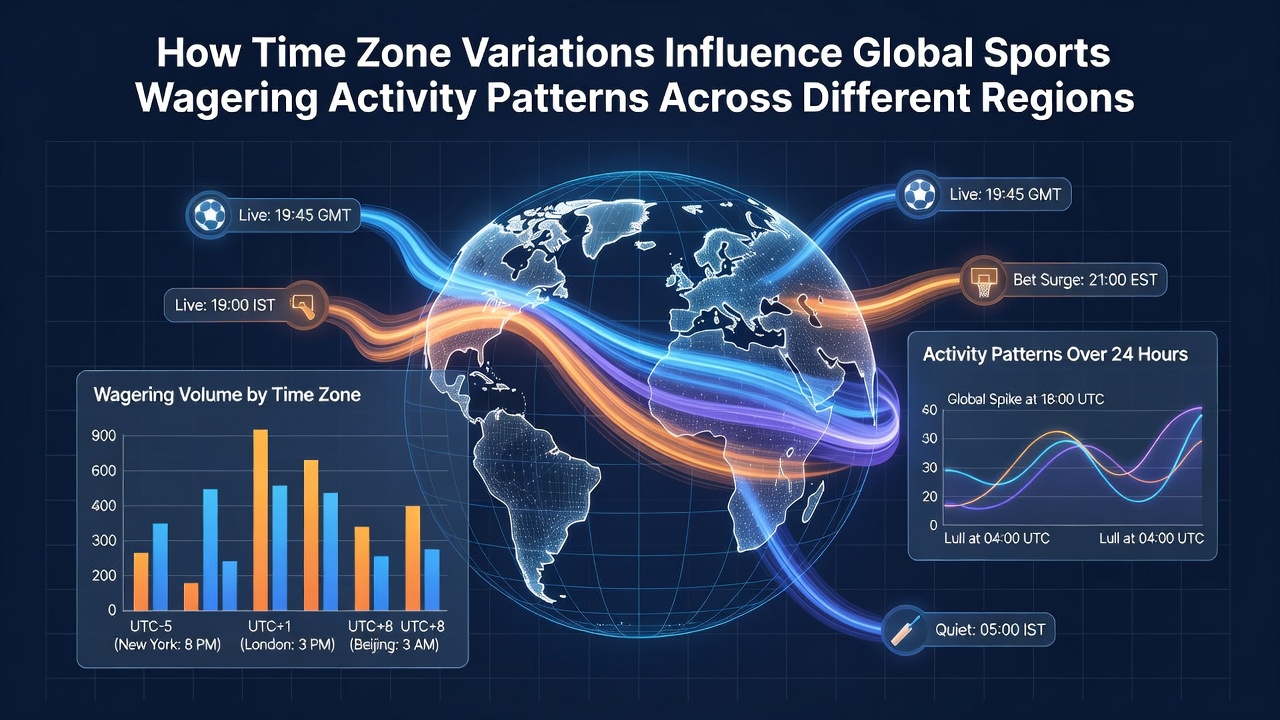
How Time Zone Variations Influence Global Sports Wagering Activity Patterns Across Different Regions
Time zone differences create distinct rhythms in how people around the world engage with sports wagering, and researchers tracking these patterns have documented clear shifts in activity volumes tied directly to event start times in distant locations. Bettors in Asia frequently adjust their schedules around North American league games that begin in the early morning hours local time, which leads to concentrated wagering spikes during overnight periods rather than standard daytime hours, while European users show parallel adjustments when following matches from Australia or South America.
Regional Activity Shifts in Major Markets
Observers tracking North American markets note that events originating in Europe often generate elevated late-night activity among bettors on the west coast, where the time difference stretches into several hours and forces participants to align their wagers with live play rather than pre-event lines. Data compiled across multiple jurisdictions reveals that these adjustments produce measurable increases in in-play betting volumes during those offset windows, and similar dynamics appear in reverse when Asian markets respond to afternoon fixtures from the eastern United States.
European bettors encounter their own set of constraints when major leagues in Asia schedule evening contests that land during local morning hours, prompting many to use mobile platforms for quick updates while commuting or during work breaks. Studies examining transaction logs from operators in several EU member states indicate that these time-mismatched events correlate with higher volumes of smaller, rapid-fire wagers compared to the larger pre-match stakes placed on same-zone competitions.
Patterns Observed in Asia-Pacific Regions
Across Asia-Pacific territories, the influence of time zones becomes especially pronounced during periods when North American sports dominate global attention, and November 2026 provided a notable example as several high-profile basketball and football matchups overlapped with local nighttime hours in key markets like Japan and South Korea. Bettors there demonstrated consistent preferences for live betting interfaces that allowed real-time adjustments, and aggregate figures from regional platforms showed activity clusters forming between midnight and 4 a.m. local time whenever marquee games tipped off in the United States.
Australian participants face comparable offsets when following European football seasons, since many matches conclude during the early evening in Australia despite occurring in afternoon slots on the continent. Research compiled by academic groups at institutions in the region has linked these timing factors to distinct wagering behaviors, including greater reliance on push notifications and automated alerts that help users stay engaged without constant manual monitoring.
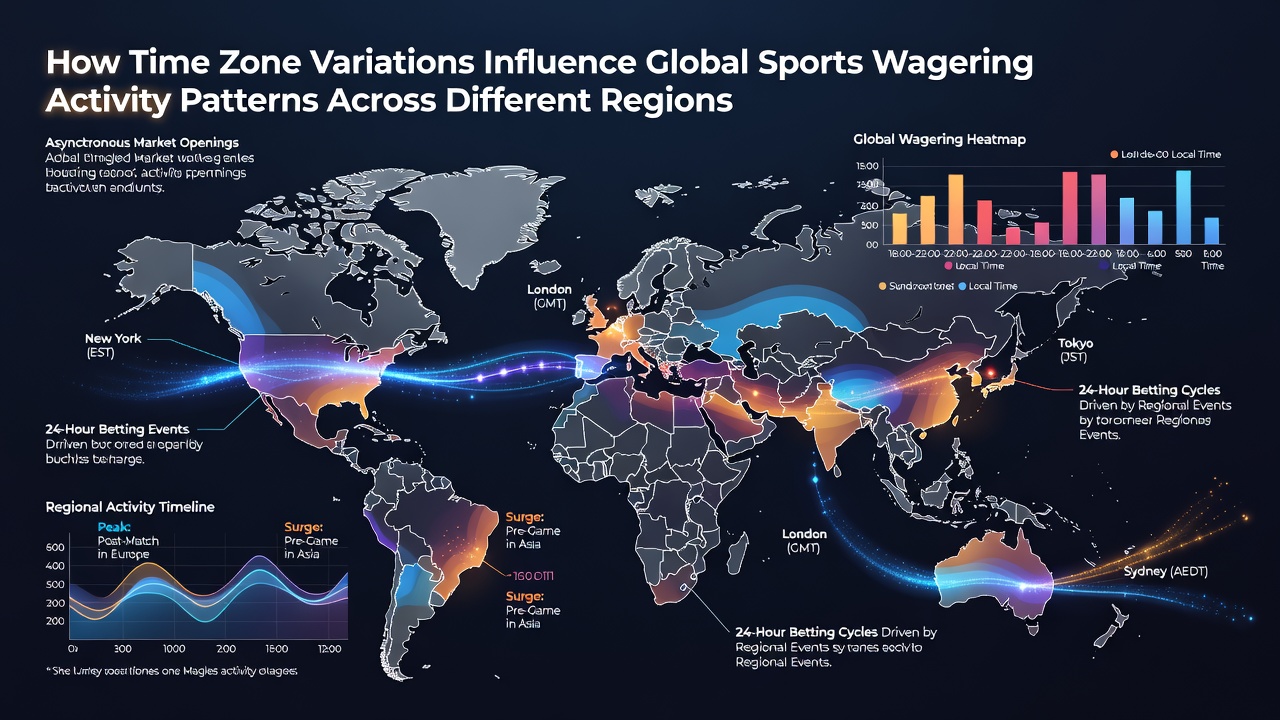
What's interesting about these cross-regional flows is how they interact with local regulatory frameworks, and evidence from Canadian oversight bodies alongside reports from Singapore's gaming authorities shows operators adapting their server maintenance windows to accommodate peak activity periods driven by international audiences. Those adaptations help maintain platform stability even as user loads spike during unusual hours, and the resulting data streams provide researchers with granular views of how time differences reshape overall market participation.
Effects on Specific Sports and Event Types
Combat sports and tennis tournaments often produce the most visible time-zone-driven patterns because their global calendars feature events staged in every major region throughout the year. Bettors following UFC cards originating in the United States frequently place wagers from Europe during early morning hours, and analysts examining operator records note that these sessions generate distinct clusters of prop bets on fight outcomes rather than broader moneyline activity. Similarly, cricket matches scheduled in South Asia draw substantial interest from North American users who must navigate evening and overnight windows, leading to increased use of multi-leg accumulators that span several hours of play.
Esports competitions add another layer because their schedules frequently straddle multiple continents within a single day, and participants in one region routinely wager on tournaments unfolding while they sleep. Figures released by industry monitoring groups indicate that such events produce steadier 24-hour activity curves than traditional sports, since overlapping time zones keep at least one major market awake and engaged at any given moment.
Data Trends and Platform Responses
Platform operators have responded to these patterns by refining their notification systems and odds-refresh schedules, and reports from regulatory bodies in Australia alongside research summaries from European academic centers confirm that optimized timing reduces user drop-off during offset events. Mobile data usage statistics further illustrate how bettors in distant zones rely more heavily on data-efficient features such as condensed score feeds when live streams prove impractical due to time constraints.
Those who've examined transaction volumes across several years observe that major international tournaments amplify these effects, with November 2026 serving as a recent case study where simultaneous events in multiple regions produced overlapping activity peaks that tested platform capacity limits. Operators adjusted staffing and server allocations accordingly, and subsequent analyses revealed that markets with the largest time offsets experienced the sharpest relative increases in session duration.
Conclusion
Time zone variations continue to shape global sports wagering by dictating when users in different regions can realistically engage with live events, and the resulting activity patterns reflect a complex interplay between event schedules, local regulations, and platform capabilities. Data gathered from diverse regulatory and academic sources demonstrates that these influences remain consistent across sports and seasons, producing predictable shifts in wagering volumes and user behaviors wherever significant offsets exist between event locations and participant time zones. As international calendars grow more crowded, the mechanisms through which time differences affect participation are likely to remain central to how operators and analysts interpret market dynamics worldwide.